Family routines techniques help households run smoother and reduce daily stress. When families follow consistent patterns, children feel secure and parents spend less time managing chaos. Research shows that structured routines improve behavior, sleep quality, and family relationships. This guide covers practical techniques for morning and evening routines, plus strategies to make these habits last. Whether a family struggles with hectic mornings or bedtime battles, these methods offer real solutions.
Table of Contents
ToggleKey Takeaways
- Family routines techniques reduce daily stress and help children feel more secure by providing predictability.
- Preparing the night before—laying out clothes, packing lunches, and organizing backpacks—eliminates morning chaos.
- Visual schedules and checklists help younger children follow routines independently and build confidence.
- Limiting screen time 30-60 minutes before bed and following a consistent bedtime sequence improves sleep quality.
- Involve the whole family when creating routines to increase buy-in and make habits easier to maintain.
- Stay flexible and adjust family routines techniques as children grow, balancing structure with spontaneity.
Why Family Routines Matter
Routines give families a sense of predictability. Children thrive when they know what comes next. A study from the American Academy of Pediatrics found that consistent family routines support emotional development and reduce anxiety in kids.
Family routines techniques also save time. When everyone knows the morning drill, parents don’t repeat instructions five times. Kids develop independence because they understand expectations. This reduces friction and arguments.
Beyond practical benefits, routines strengthen family bonds. Shared rituals like Sunday pancake breakfasts or Friday movie nights create lasting memories. These moments become anchors that families look forward to each week.
Routines help during transitions too. Moving to a new home, starting a new school, or welcoming a baby disrupts normal life. Maintaining familiar routines provides stability during uncertain times. Kids especially benefit from this consistency when other parts of life feel unpredictable.
Parents often notice behavior improvements after establishing routines. When children have clear structure, they act out less. They feel more in control of their environment. This leads to calmer households overall.
Morning Routine Techniques That Work
Mornings set the tone for the entire day. Rushed, chaotic mornings lead to stressed parents and cranky kids. Solid family routines techniques transform this daily struggle into a manageable process.
Prepare the Night Before
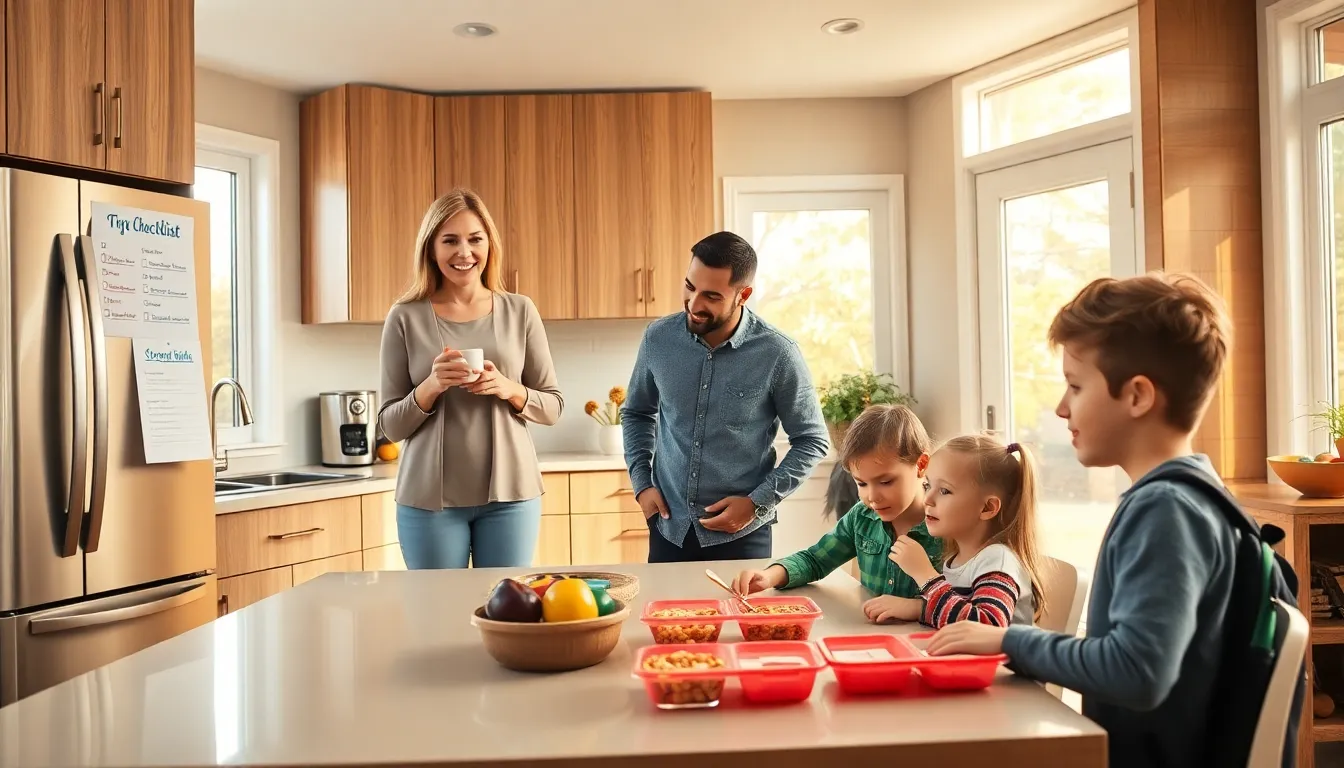
Smart families front-load their morning tasks. Lay out clothes, pack lunches, and organize backpacks before bed. This simple step eliminates morning decision fatigue. Kids can even help choose their outfit, giving them ownership of the routine.
Use Visual Schedules
Younger children respond well to picture-based checklists. A chart showing “brush teeth, get dressed, eat breakfast, put on shoes” helps kids follow steps independently. They feel proud checking off each task.
Build in Buffer Time
Many families schedule too tightly. Add 10-15 extra minutes to the morning routine. This cushion absorbs unexpected delays, a spilled cereal bowl, a missing shoe, or a last-minute bathroom trip.
Keep Breakfast Simple
Elaborate breakfasts cause stress. Stock easy options like yogurt, fruit, whole-grain cereal, or pre-made muffins. Save pancakes for weekends when time pressure doesn’t exist.
Establish a Launch Pad
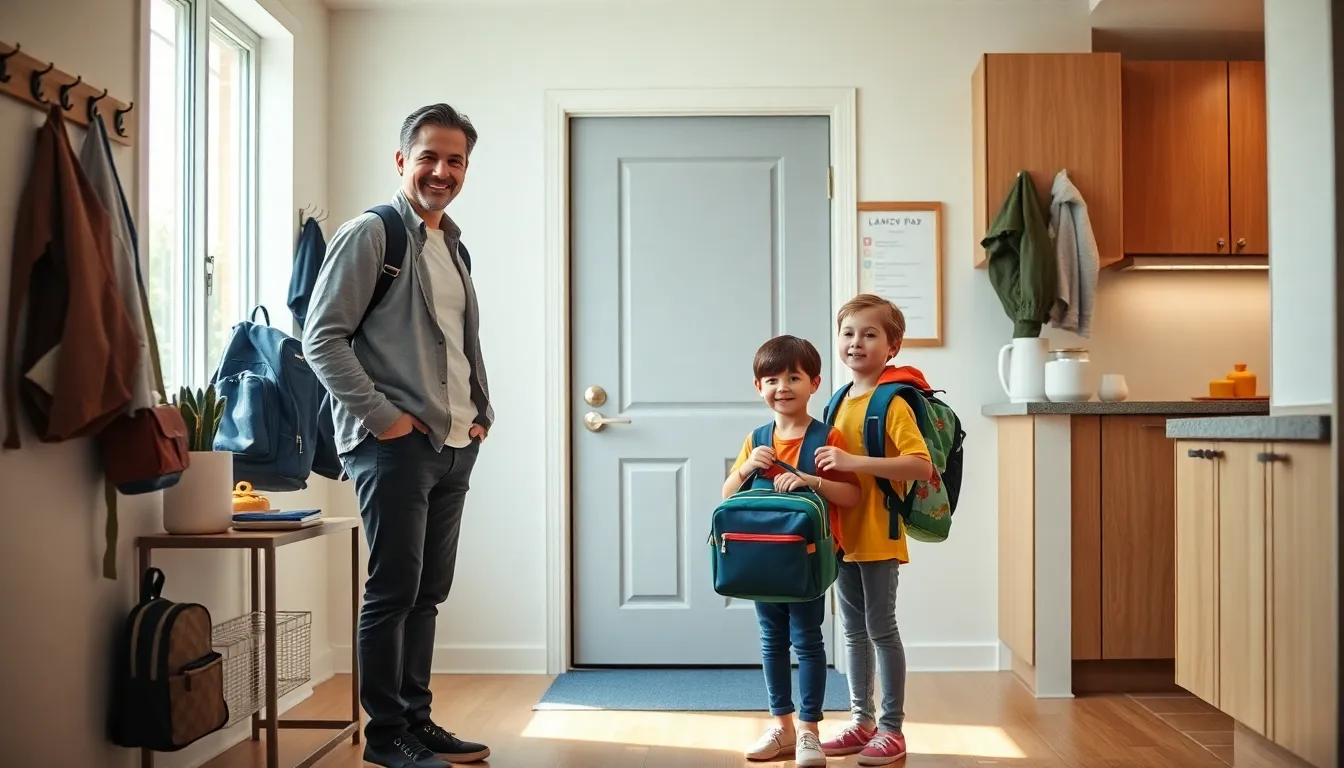
Designate a spot near the door for backpacks, keys, and jackets. When everything lives in one place, the family exits without the frantic “where are my keys” scramble. This family routines technique alone prevents countless delays.
Creating Effective Evening and Bedtime Routines
Evening routines matter just as much as morning ones. A calm end to the day promotes better sleep and prepares families for tomorrow. These family routines techniques help evenings flow smoothly.
Start Dinner at a Consistent Time
Bodies appreciate regularity. Eating dinner around the same time each night regulates hunger and energy levels. It also creates a natural checkpoint that signals the wind-down process has begun.
Limit Screen Time Before Bed
Screens stimulate the brain and suppress melatonin production. Set a “screens off” rule 30-60 minutes before bedtime. Replace device time with reading, puzzles, or quiet conversation.
Create a Bedtime Sequence
Children sleep better with predictable bedtime steps. A typical sequence might include: bath, pajamas, brush teeth, one story, lights out. Repeat this order every night. Within weeks, kids begin anticipating each step and transition smoothly.
Include Connection Time
Bedtime offers a chance for one-on-one connection. Ask about the best part of their day. Share something you appreciated about them. These brief conversations build emotional security and give kids positive feelings before sleep.
Handle Resistance Calmly
Some kids test boundaries at bedtime. Stay consistent with responses. Avoid lengthy negotiations. A firm but kind “it’s bedtime now” works better than extended discussions. Over time, resistance decreases when children learn the routine won’t change.
Tips for Making Routines Stick
Starting a routine is easy. Maintaining it takes effort. These strategies help family routines techniques become permanent habits.
Start Small
Don’t overhaul everything at once. Pick one routine to improve first, maybe mornings or bedtime. Once that feels automatic, add another. Gradual changes stick better than dramatic overhauls.
Involve the Whole Family
Kids follow routines more willingly when they helped create them. Hold a family meeting to discuss what’s working and what isn’t. Let children suggest improvements. Their buy-in makes enforcement easier.
Stay Flexible
Routines should serve the family, not imprison them. Occasional breaks are fine. A late-night movie on a school night won’t destroy months of progress. Rigidity creates resentment. Balance structure with spontaneity.
Use Positive Reinforcement
Praise kids when they follow routines without reminders. A simple “I noticed you got dressed all by yourself this morning” reinforces the behavior. Some families use sticker charts or small rewards during the early stages.
Expect Setbacks
Illness, travel, and holidays disrupt routines. This is normal. After disruptions, return to the routine as soon as possible. Don’t punish kids for regression, just restart the pattern.
Adjust as Kids Grow
A routine that works for a toddler won’t fit a teenager. Revisit family routines techniques regularly and update them. Older kids need more autonomy. Younger ones need more guidance. Adapt accordingly.