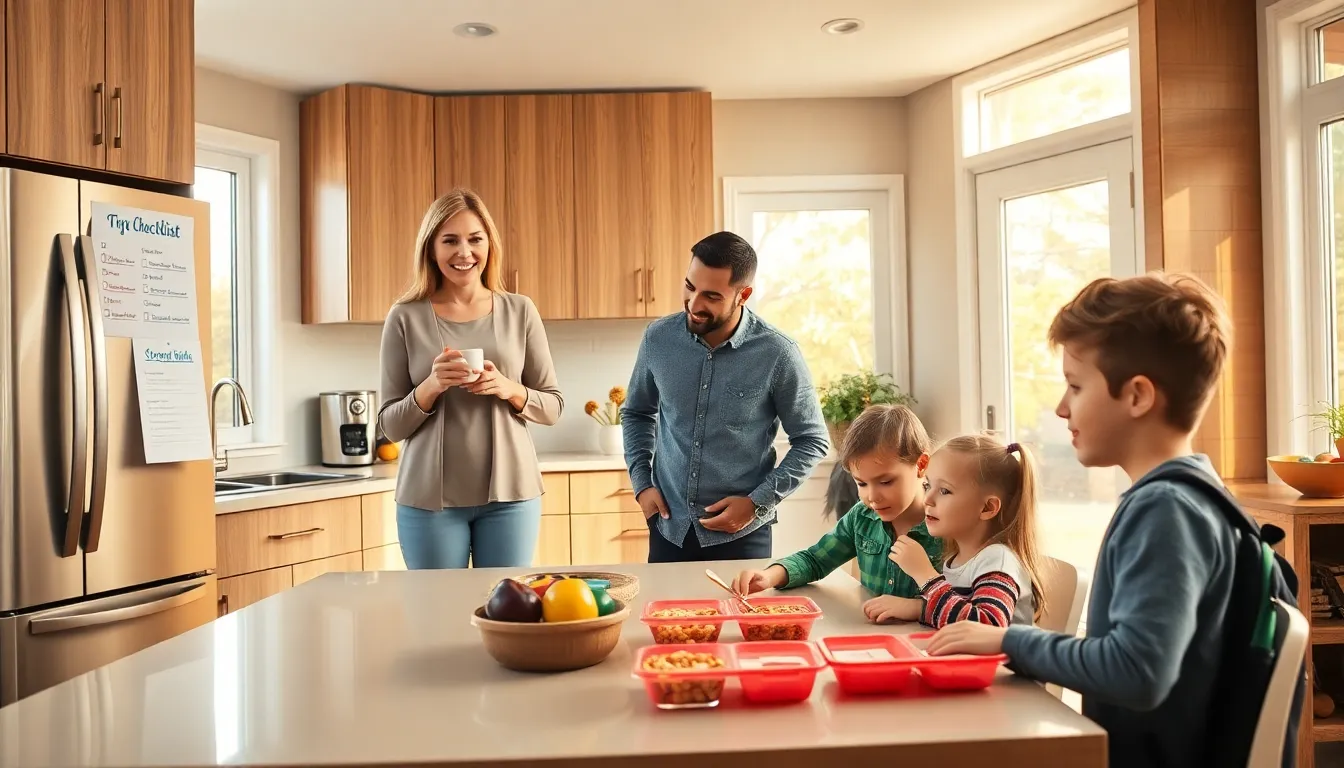

Family routines ideas can transform chaotic mornings and stressful evenings into calm, predictable experiences. Children thrive when they know what to expect, and parents benefit from less decision fatigue throughout the day. Research shows that consistent family routines improve children’s emotional regulation, academic performance, and overall well-being. This guide covers practical family routines ideas for every part of the day, from morning wake-ups to weekend activities. Whether a household needs help getting out the door on time or wants more meaningful moments together, these strategies offer a starting point.
Table of Contents
ToggleKey Takeaways
- Family routines ideas help reduce stress and decision fatigue for both parents and children by making daily tasks predictable.
- Morning routines work best when preparation starts the night before—lay out clothes, pack lunches, and organize backpacks ahead of time.
- Build in 15-30 minutes of transition time after school so kids can decompress before starting homework or chores.
- Consistent bedtime routines like bath, pajamas, teeth brushing, and reading signal to children’s brains that sleep is coming.
- Weekend family routines should balance structure with relaxation—schedule one regular activity while protecting time for slow mornings.
- Start small when implementing new routines and stay consistent for at least three weeks before expecting habits to stick.
Why Family Routines Matter
Family routines provide structure that benefits everyone in the household. When children understand what comes next, they feel secure and confident. Adults experience less stress because daily tasks become automatic rather than constant negotiations.
Studies from the American Academy of Pediatrics link consistent family routines to better sleep quality in children, improved eating habits, and stronger parent-child relationships. Kids who grow up with predictable schedules also develop better time management skills they carry into adulthood.
Beyond the practical benefits, family routines ideas create opportunities for connection. A nightly reading ritual or Sunday breakfast tradition becomes a touchstone that family members look forward to. These shared experiences build memories and strengthen bonds over time.
Routines also teach responsibility. When a child knows they’re expected to pack their backpack each evening, they learn accountability. When they help set the table every night, they understand their role in the family unit. These small tasks add up to significant character development.
Morning Routines to Start the Day Right
Mornings set the tone for everything that follows. A rushed, chaotic start often leads to forgotten items, bad moods, and unnecessary conflict. Family routines ideas for mornings focus on preparation and predictability.
Prepare the Night Before
Successful mornings actually begin the previous evening. Families can lay out clothes, pack lunches, and organize backpacks before bed. This simple habit eliminates morning scrambles and reduces decision-making when everyone is still waking up.
Create a Visual Schedule
For younger children, a picture-based checklist works well. They can see each step: wake up, use the bathroom, get dressed, eat breakfast, brush teeth, put on shoes. Checking off items gives kids a sense of accomplishment and independence.
Build in Buffer Time
Plan to be ready 10-15 minutes earlier than necessary. This buffer prevents the stress of running late and allows for unexpected delays like a spilled cereal bowl or missing shoe.
Make Breakfast Simple
Weekday breakfasts don’t need to be elaborate. Overnight oats, pre-made smoothie packs, or simple toast and fruit work fine. Save the pancakes for weekends when time isn’t tight.
These family routines ideas turn hectic mornings into manageable ones. Kids know exactly what’s expected, and parents aren’t constantly issuing instructions.
After-School and Evening Routines
The hours between school pickup and bedtime often feel overwhelming. Kids are tired, parents are juggling dinner and assignments, and everyone’s patience runs thin. Solid family routines ideas for evenings bring order to this challenging window.
Establish a Transition Period
Children need time to decompress after school. Allow 15-30 minutes for a snack and free play before starting assignments or chores. This break helps them shift from school mode to home mode.
Set a Assignments Time
Consistent assignments time eliminates daily battles about when to start. Some families find right after the snack break works best while information is fresh. Others prefer after dinner when kids have had more downtime. Pick what fits and stick with it.
Involve Kids in Dinner Prep
Age-appropriate kitchen tasks give children ownership and teach life skills. A five-year-old can wash vegetables. A ten-year-old can stir sauces and set timers. Teens can follow recipes independently. This involvement also means dinner gets to the table faster.
Create a Bedtime Routine
Bedtime routines signal to the brain that sleep is coming. A sequence like bath, pajamas, teeth brushing, and reading helps children wind down. Keep the order consistent so the process becomes automatic.
These family routines ideas reduce evening chaos and create space for actual connection instead of constant managing.
Weekend Routines for Quality Time
Weekends offer flexibility that weekdays don’t, but they still benefit from some structure. Without any routine, Saturday and Sunday can slip away in screens and errands. Family routines ideas for weekends balance relaxation with meaningful activities.
Keep One Morning Slow
Many families benefit from protecting Saturday or Sunday morning for leisurely breakfasts and pajama time. This unscheduled space lets everyone recharge after a busy week.
Schedule a Family Activity
One regular weekend activity creates something to anticipate. It could be Saturday morning hikes, Sunday afternoon board games, or Friday movie nights. The specific activity matters less than the consistency.
Handle Chores Together
Saturday cleaning sessions where everyone pitches in teach teamwork and get the job done faster. Put on music, assign age-appropriate tasks, and work as a unit. Kids who participate in household chores develop a stronger sense of responsibility.
Plan Meals as a Family
Weekend meal planning for the upcoming week involves everyone. Kids can pick a dinner, help make the grocery list, and even come along to the store. This practice teaches nutrition awareness and reduces weeknight decision fatigue.
Weekend family routines ideas don’t mean every hour is scheduled. They mean intentional choices about how the family spends its time together.
Tips for Making Routines Stick
Starting new routines is easy. Maintaining them is harder. These strategies help family routines ideas become lasting habits.
Start Small
Don’t overhaul everything at once. Pick one routine to establish, like a morning checklist or evening reading time. Once that feels natural, add another. Gradual change lasts longer than dramatic shifts.
Be Consistent
Routines require repetition to stick. Aim for at least three weeks of consistent practice before expecting any habit to feel automatic. Missing occasional days is fine, but try to stay on track most of the time.
Get Buy-In from Everyone
Involve children in creating routines when possible. Ask what they think would help mornings go smoother. When kids contribute to the plan, they’re more invested in following it.
Use Visual Reminders
Charts, checklists, and posted schedules reinforce expectations. Place them where everyone sees them, on the refrigerator, bathroom mirror, or bedroom door.
Adjust as Needed
Family routines ideas should serve the family, not the other way around. If something isn’t working, change it. As children grow and schedules shift, routines need updates too.
Celebrate Progress
Acknowledge when routines are working well. Simple praise like “We got out the door on time every day this week.” reinforces the positive behavior and motivates continued effort.