The best family routines create structure without stifling spontaneity. They give everyone, from toddlers to teenagers, a sense of predictability that reduces stress and builds connection. Families with consistent routines report less chaos during busy mornings, smoother bedtimes, and stronger relationships overall. Whether a household struggles with hectic schedules or simply wants more quality time together, establishing thoughtful routines can transform daily life. This guide covers practical morning, evening, and weekend routines that work for real families, plus tips to make new habits stick.
Table of Contents
ToggleKey Takeaways
- The best family routines provide structure and predictability, reducing stress while strengthening family bonds.
- Prepare the night before—laying out clothes, packing lunches, and adding buffer time can eliminate morning chaos.
- Children need a 20-30 minute decompression period after school before starting homework for better focus.
- Consistent bedtime routines (bath, pajamas, story, lights out) help children’s bodies prepare for quality sleep.
- Weekend routines should balance chores with protected downtime and one-on-one time with each child.
- Start small by focusing on one routine at a time, involve the whole family in planning, and adjust as children grow.
Why Family Routines Matter
Family routines do more than organize the day. They provide emotional security for children and reduce decision fatigue for parents. Research from the American Academy of Pediatrics shows that children in homes with consistent routines demonstrate better emotional regulation and improved academic performance.
Routines also strengthen family bonds. When everyone knows what to expect, dinner at 6 p.m., story time before bed, Saturday morning pancakes, these predictable moments become cherished traditions. Kids feel safe, and parents feel less overwhelmed.
Here’s what the best family routines accomplish:
- Reduce morning stress by eliminating last-minute scrambles
- Create quality time that happens naturally, not by accident
- Teach responsibility as children learn their role in family life
- Improve sleep through consistent bedtime patterns
- Lower anxiety for children who thrive on predictability
The goal isn’t rigidity. It’s about creating a framework that makes daily life easier while leaving room for flexibility.
Morning Routines That Set the Tone for Success
Mornings can feel chaotic, but they don’t have to. The best family routines for mornings focus on preparation and simplicity.
Prep the Night Before
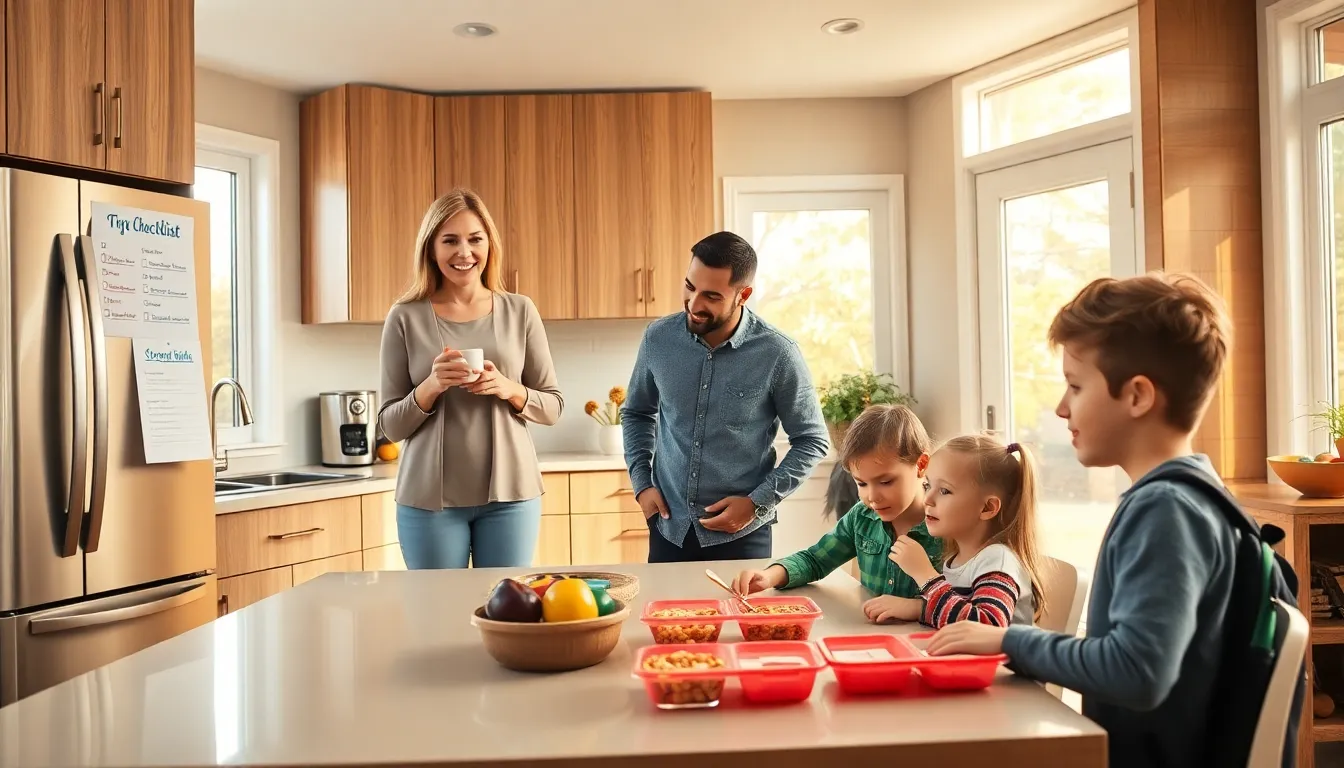
Successful mornings start the evening before. Lay out clothes, pack lunches, and place backpacks by the door. This single habit can eliminate 20 minutes of morning stress.
Wake Up Before the Kids
Parents who wake up 15-30 minutes before their children report calmer mornings. That quiet time allows for coffee, a quick workout, or mental preparation for the day.
Create a Visual Checklist
For younger children, a picture-based checklist works wonders. Include tasks like brushing teeth, getting dressed, and eating breakfast. Kids gain independence, and parents spend less time repeating instructions.
Build in Buffer Time
Always add 10-15 extra minutes to the schedule. Something will go wrong, a spilled drink, a missing shoe, an unexpected meltdown. Buffer time prevents these small hiccups from derailing the entire morning.
The best family routines for mornings feel almost automatic after a few weeks of practice. Everyone knows their role, and the day starts on a positive note.
After-School and Evening Routines
The hours between school pickup and bedtime often feel the most hectic. Kids are tired. Parents are juggling dinner, assignments, and household tasks. A solid evening routine brings order to this chaos.
The After-School Transition
Children need time to decompress after school. Build in 20-30 minutes for a snack and unstructured play before assignments begins. This transition period helps kids reset and improves focus later.
Assignments and Screen Time Boundaries
Set specific times for assignments and stick to them. Many families find that completing assignments before any screen time works best. This approach uses screens as motivation rather than letting them become a battle.
Family Dinner Matters
Studies consistently show that families who eat together raise children with better vocabularies, higher self-esteem, and lower rates of substance abuse. Dinner doesn’t need to be fancy, even 20 minutes around a table makes a difference.
Consistent Bedtime Routines
The best family routines include predictable bedtimes. A sequence like bath, pajamas, brush teeth, story, and lights out helps children’s bodies prepare for sleep. Keep bedtimes consistent, even on weekends, within a 30-minute window.
Evening routines should feel calming, not rushed. If the schedule feels too packed, something needs to go.
Weekend Routines to Connect as a Family
Weekends offer the best opportunity for family connection. While they should feel more relaxed than weekdays, some structure still helps.
Saturday Morning Traditions
Many families love a signature Saturday activity, pancake breakfast, a trip to the farmers market, or a family walk. These traditions become memories children carry into adulthood.
Balance Chores and Fun
Assigning age-appropriate chores teaches responsibility. But don’t let the whole weekend become a to-do list. Block specific time for chores (Saturday morning, perhaps) and protect the rest for fun and rest.
Schedule One-on-One Time
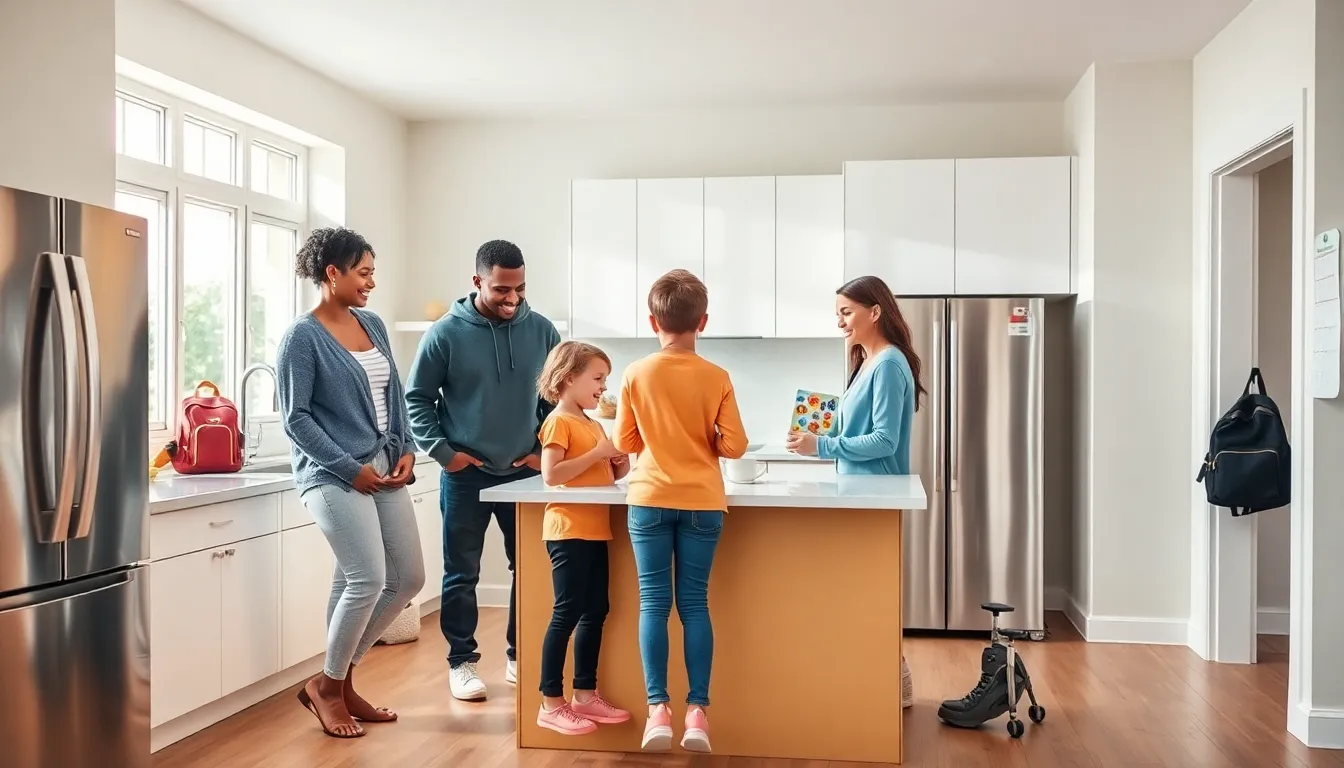
In busy households, individual children can feel overlooked. Weekend routines should include at least some one-on-one time with each child. This might be a coffee date with a teenager or a trip to the playground with a younger sibling.
Protect Downtime
Over-scheduled weekends exhaust everyone. The best family routines leave blank space on the calendar. Boredom sparks creativity, and rest prevents burnout.
Weekend routines shouldn’t mirror the weekday hustle. They should recharge the whole family for the week ahead.
Tips for Building Routines That Stick
Creating routines is easy. Maintaining them is harder. These strategies help families build habits that last.
Start Small
Don’t overhaul everything at once. Pick one routine, morning, bedtime, or weekend, and focus there for two weeks before adding more. Small wins build momentum.
Involve the Whole Family
Children follow routines better when they help create them. Hold a family meeting to discuss new plans. Let kids suggest ideas and make choices within boundaries.
Use Visual Reminders
Charts, checklists, and timers help everyone stay on track. For young children, picture schedules work well. Older kids might prefer apps or written lists.
Expect Setbacks
No routine survives every day perfectly. Illness, travel, and life events will disrupt the plan. That’s normal. The key is returning to the routine as soon as possible, without guilt.
Review and Adjust
The best family routines evolve as children grow. What works for a family with toddlers won’t suit a household of teenagers. Check in every few months and adjust as needed.
Consistency matters more than perfection. Families who stick with routines, even imperfectly, see the biggest benefits over time.