
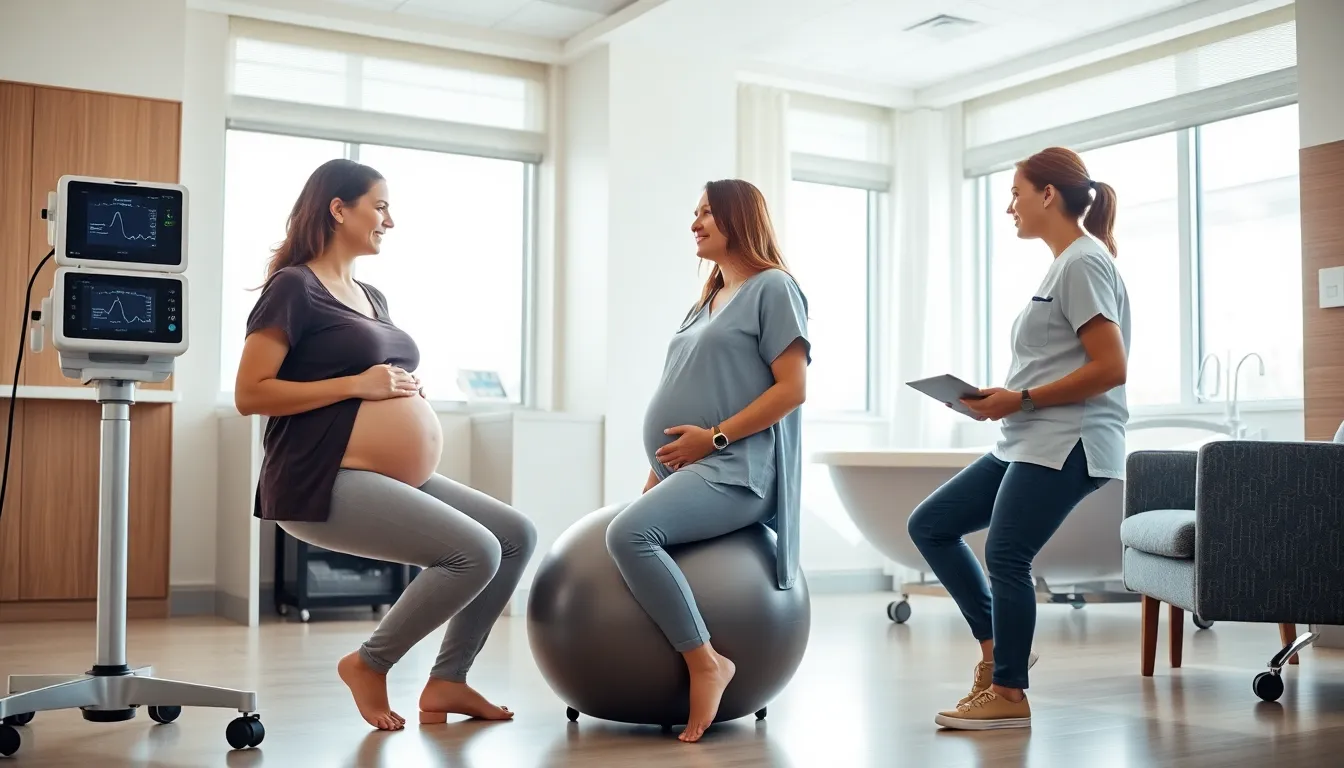
Birthing methods trends 2026 are shifting toward more personalized, technology-integrated, and low-intervention approaches. Expecting parents now have more options than ever before. From customized birth plans to advanced monitoring tools, the landscape of childbirth continues to evolve. This guide breaks down the key birthing methods trends 2026 that families should understand. Whether someone prefers a hospital setting or a home birth, these developments will shape decisions in the coming year.
Table of Contents
ToggleKey Takeaways
- Birthing methods trends 2026 emphasize personalized birth plans that include pain management, cultural practices, and postpartum care preferences.
- Low-intervention options like water births, hypnobirthing, and natural pain management are gaining popularity among expecting parents.
- Wearable monitors, AI-assisted labor prediction, and virtual reality are transforming technology-assisted deliveries while preserving the natural birth experience.
- Doulas and midwives play an expanding role in 2026 births, offering continuous support and improving satisfaction rates.
- Insurance coverage for doula and midwifery services has expanded, making personalized birth support more accessible to families.
- Hospitals are adapting to birthing methods trends 2026 by training staff to honor detailed birth plans and delay routine procedures when safe.
Rise of Personalized Birth Plans
Personalized birth plans have become a defining feature of birthing methods trends 2026. More hospitals and birth centers now encourage parents to create detailed preferences for their delivery experience. These plans cover everything from pain management choices to immediate skin-to-skin contact after birth.
Healthcare providers recognize that no two pregnancies are identical. A first-time mother may want different interventions than someone with previous birth experience. Birth plans now address specific concerns like lighting preferences, music choices, and who can be present during labor.
Digital tools make creating these plans easier. Many expectant parents use apps to build their preferences and share them directly with their care team. This reduces miscommunication and helps everyone stay on the same page.
The trend extends beyond preferences during delivery. Parents now include postpartum care wishes, feeding plans, and early bonding rituals. Hospitals have responded by training staff to honor these requests whenever medically possible.
Personalization also means more cultural considerations. Birth centers increasingly accommodate religious practices, traditional ceremonies, and family customs. This shift reflects a broader understanding that birth is both a medical event and a deeply personal milestone.
Growing Demand for Low-Intervention Options
Low-intervention birth options continue gaining popularity among the birthing methods trends 2026. Many parents want to minimize medical procedures unless they become necessary. This approach prioritizes the body’s natural labor process.
Water births have seen significant growth. Birthing tubs help manage pain and allow freedom of movement during labor. More hospitals now offer this option alongside traditional delivery rooms. Home birth rates have also increased, particularly among low-risk pregnancies.
Hypnobirthing and other relaxation techniques attract new followers each year. These methods teach breathing exercises, visualization, and mental preparation. Parents who use these techniques often report feeling more in control during delivery.
The demand for low-intervention options has changed hospital policies. Many facilities now delay routine procedures like cord clamping and newborn baths. They also reduce unnecessary fetal monitoring for uncomplicated labors.
Natural pain management alternatives have expanded. Options include nitrous oxide, acupuncture, and massage therapy. These give parents choices beyond epidurals without sacrificing comfort.
Healthcare providers support this trend when safety allows. They recognize that reduced interventions can lead to faster recovery times and positive birth experiences. But, they maintain clear protocols for when medical intervention becomes essential.
Technology-Assisted Labor and Delivery
Technology plays a larger role in birthing methods trends 2026 than ever before. New tools help monitor both parent and baby while reducing unnecessary interventions. The goal is better outcomes with less disruption to the natural birth process.
Wearable monitors now track contractions and fetal heart rate without restricting movement. These wireless devices replace traditional external monitors that kept laboring parents confined to beds. The data streams directly to nursing stations and provider phones.
Artificial intelligence assists with labor prediction. Algorithms analyze contraction patterns and dilation progress to estimate delivery windows. This helps staff allocate resources and prepare for potential complications.
Virtual reality offers new pain management possibilities. Some birth centers provide VR headsets with calming environments. Early studies show these can reduce perceived pain and anxiety during labor.
Telemedicine expands access to specialists. Rural hospitals can now consult with maternal-fetal medicine experts in real time. This brings high-level care to communities that previously lacked specialized services.
Smart delivery rooms adjust lighting, temperature, and sound based on labor stages. These automated systems create optimal environments without requiring staff intervention. Parents can also control settings through bedside tablets.
Technology in birthing methods trends 2026 serves the parent, not the other way around. The best implementations feel invisible while improving safety and comfort.
The Expanding Role of Doulas and Midwives
Doulas and midwives hold central positions in birthing methods trends 2026. Their involvement has grown substantially as parents seek continuous support throughout pregnancy and delivery. Insurance coverage for these services has expanded in many states.
Doulas provide emotional and physical support during labor. They offer comfort measures, advocacy, and a consistent presence when shifts change. Research shows that doula-attended births often result in fewer interventions and higher satisfaction rates.
Midwives now attend a growing percentage of U.S. births. They manage low-risk pregnancies and deliveries in hospitals, birth centers, and homes. Their model emphasizes education, shared decision-making, and relationship-building over multiple visits.
Collaboration between midwives and physicians has improved. Many practices now integrate both providers. This gives families access to midwifery care with physician backup for complications. The approach combines personal attention with medical expertise.
Certified professional midwives and certified nurse-midwives serve different roles. Understanding the distinctions helps parents choose the right fit. Both bring valuable skills to birthing methods trends 2026.
Community-based doula programs address health disparities. These initiatives train doulas from underserved communities to support their neighbors. Early results show improved outcomes for populations that historically faced higher risks during childbirth.
The expansion of these roles reflects a broader shift. Parents want care providers who listen, educate, and support their choices. Doulas and midwives meet this need while working within existing healthcare systems.