
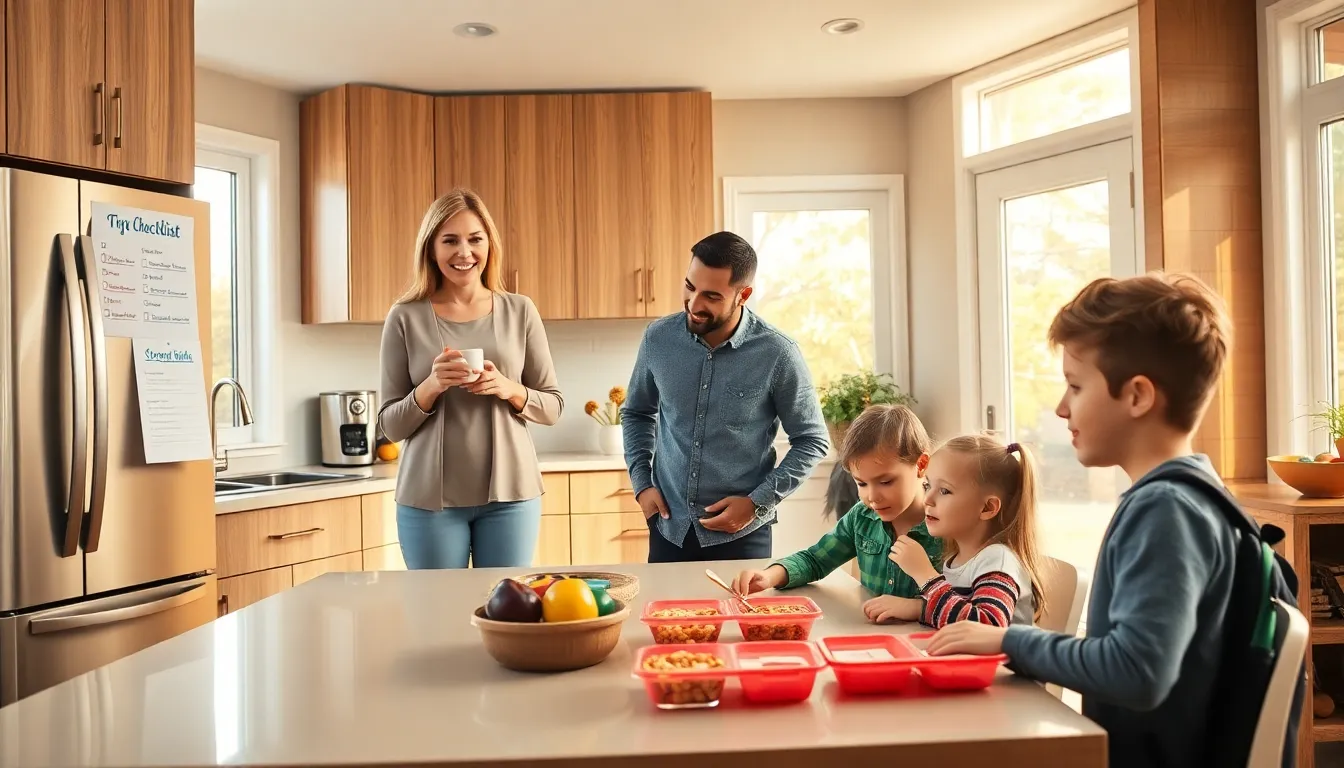
Family routines examples can transform chaotic mornings and stressful evenings into calm, predictable moments. Kids thrive on structure. Parents need sanity. A good routine delivers both.
The truth is, most families don’t struggle because they lack love or effort. They struggle because nobody knows what comes next. One child is hunting for shoes while another melts down over breakfast. Sound familiar?
This guide covers practical family routines examples for every part of the day. From morning wake-ups to bedtime wind-downs, these habits help families run smoother and feel closer. No complicated systems required, just simple, repeatable patterns that actually work.
Table of Contents
ToggleKey Takeaways
- Family routines examples for mornings, evenings, and bedtimes help reduce chaos and create predictable, calmer days for everyone.
- Preparing the night before—laying out clothes, packing lunches, and organizing backpacks—eliminates half of morning stress.
- Kids need 20–30 minutes of snack and decompress time after school before tackling homework or chores.
- A consistent bedtime routine starting 30–45 minutes before lights out signals the brain to prepare for sleep.
- Start with one or two family routines examples, practice them for a few weeks, then gradually add more—consistency beats perfection.
- Weekend routines should balance rest, family connection, and preparation for the week ahead without over-scheduling every hour.
Morning Routines That Start the Day Right
A solid morning routine sets the tone for everything that follows. When mornings feel rushed and frantic, that stress carries into school, work, and beyond. But when families establish consistent morning habits, everyone leaves home calmer and more prepared.
Here are family routines examples for mornings that actually work:
Wake up at the same time daily. Consistency matters. Bodies adjust to regular wake times, making mornings less painful for kids and adults alike.
Prepare the night before. Lay out clothes, pack lunches, and organize backpacks before bed. This single habit eliminates half of morning chaos.
Create a visual checklist. For younger children, a simple picture chart showing each step, get dressed, eat breakfast, brush teeth, keeps them on track without constant reminders.
Eat breakfast together when possible. Even ten minutes at the table creates connection. It doesn’t need to be fancy. Cereal counts.
Build in buffer time. Plan to be ready fifteen minutes early. That buffer absorbs the inevitable delays, lost assignments, spilled juice, last-minute bathroom trips.
One family found that playing the same playlist each morning helped their kids move faster. The music became a timer. When certain songs played, kids knew exactly where they should be in their routine. Creative solutions like this make family routines examples more than just lists, they become part of daily life.
After-School and Evening Routines
The hours between school pickup and dinner often feel like controlled chaos. Kids are tired. Parents are tired. Assignments looms. Dinner needs cooking. Without structure, evenings spiral quickly.
Effective family routines examples for this window include:
Snack and decompress first. Kids need transition time. Let them eat something and relax for twenty to thirty minutes before jumping into assignments or chores. This break prevents meltdowns.
Designate assignments time. Pick a consistent window, maybe 4:30 to 5:30 PM, when everyone focuses on schoolwork. Younger kids can color or read while older siblings study.
Assign age-appropriate chores. Even small children can help. A four-year-old can put napkins on the table. A ten-year-old can fold laundry. Chores teach responsibility and lighten the load for parents.
Cook dinner at the same time each night. Predictable mealtimes help kids regulate hunger and behavior. They know food is coming, so they’re less likely to beg for snacks constantly.
Limit screen time before dinner. This keeps kids engaged with the family instead of zoned out on devices. Save screens for after assignments and chores are complete.
Family routines examples work best when they’re realistic. Don’t try to carry out everything at once. Start with one or two habits, practice them for a few weeks, then add more. Consistency beats perfection every time.
Bedtime Routines for Better Sleep
Sleep affects everything, mood, behavior, focus, health. Kids who don’t sleep well struggle more at school and at home. A predictable bedtime routine signals the brain that sleep is coming, making it easier for children to wind down.
These family routines examples promote better rest:
Set a consistent bedtime. Pick an age-appropriate time and stick to it, even on weekends. Varying bedtimes by more than an hour disrupts sleep patterns.
Start the routine 30–45 minutes before lights out. This gives kids time to transition from active play to quiet rest.
Follow the same sequence nightly. Bath, pajamas, teeth brushing, story, bed. The order matters less than the consistency. When the brain recognizes the pattern, it starts preparing for sleep automatically.
Turn off screens an hour before bed. Blue light from phones and tablets disrupts melatonin production. Switch to books, puzzles, or quiet play instead.
Read together. This habit builds literacy, strengthens bonds, and calms the nervous system. Even older kids benefit from being read to or reading alongside a parent.
Keep bedrooms dark and cool. Environmental factors affect sleep quality significantly. Blackout curtains and a fan can make a real difference.
Family routines examples for bedtime should feel soothing, not stressful. If the routine becomes a nightly battle, something needs adjusting. Maybe the schedule is too ambitious, or maybe kids need more transition time. Pay attention and adapt.
Weekend Family Routines Worth Trying
Weekends offer a different rhythm. School and work pressures ease, creating space for connection and fun. But without some structure, weekends can disappear into screen time and scattered activities.
Consider these family routines examples for Saturdays and Sundays:
Sleep in, a little. Let everyone rest an extra hour, but don’t let kids sleep until noon. Big schedule shifts make Monday mornings harder.
Have a family breakfast. Weekdays are rushed. Weekends allow for pancakes, conversation, and slower mornings together.
Plan one family activity. This doesn’t need to be elaborate. A bike ride, a trip to the park, baking cookies together, simple activities create memories.
Do chores together. Make Saturday morning chore time. Everyone pitches in for an hour, then the rest of the weekend is free. Kids learn that maintaining a home is a shared responsibility.
Allow unstructured play. Not every minute needs planning. Boredom sparks creativity. Let kids figure out how to entertain themselves sometimes.
Prep for the week ahead. Sunday evenings work well for meal planning, laundry, and organizing backpacks. This makes Monday mornings significantly smoother.
Family routines examples for weekends should balance rest, connection, and preparation. The goal isn’t to schedule every hour but to create reliable rhythms that bring the family together.