Learning how to create family routines can transform chaotic mornings and stressful evenings into predictable, peaceful experiences. Many parents struggle with daily schedules that fall apart within days. The problem usually isn’t motivation, it’s approach. Effective family routines work because they match real life, not some idealized version of it. This guide covers why routines matter, how to build them step by step, and practical ways to make them stick for the long haul.
Table of Contents
ToggleKey Takeaways
- Family routines reduce stress, improve sleep quality, and strengthen bonds by creating predictable daily structure.
- Start building routines by identifying your most stressful times of day, like mornings and bedtimes.
- Involve the whole family in planning routines—kids follow schedules better when they help create them.
- Keep routines simple with three to five steps maximum, and use visual charts to help everyone stay on track.
- Expect new family routines to take 21 to 66 days to become automatic habits, so stay patient through setbacks.
- Review and adjust routines every few months as children grow and family needs change.
Why Family Routines Matter
Family routines provide structure that benefits every household member. Research from the American Academy of Pediatrics shows that children with consistent daily routines experience less anxiety and better sleep quality. Adults benefit too, predictable schedules reduce decision fatigue and lower stress levels.
Routines also strengthen family bonds. Shared activities like eating dinner together or reading before bed create connection points throughout the day. These small, repeated moments build lasting memories and emotional security for kids.
From a practical standpoint, family routines save time. Parents spend less energy reminding children about tasks when those tasks happen automatically. Morning battles over getting dressed or brushing teeth decrease significantly once activities become habitual.
Routines also teach children valuable life skills. They learn time management, personal responsibility, and how to follow through on commitments. These lessons carry into adulthood and help kids succeed in school and later careers.
Steps to Build Effective Family Routines
Building family routines requires a systematic approach. Here’s how to create routines that actually work:
1. Identify Problem Areas First
Start by pinpointing the times of day that cause the most stress. For many families, mornings and bedtimes rank highest. List specific pain points, maybe the kids take forever to get ready, or assignments always sparks arguments.
2. Involve the Whole Family
Family routines work best when everyone has input. Hold a family meeting and ask each person what they need. Kids are more likely to follow routines they helped design. Even young children can offer surprisingly useful ideas.
3. Keep It Simple
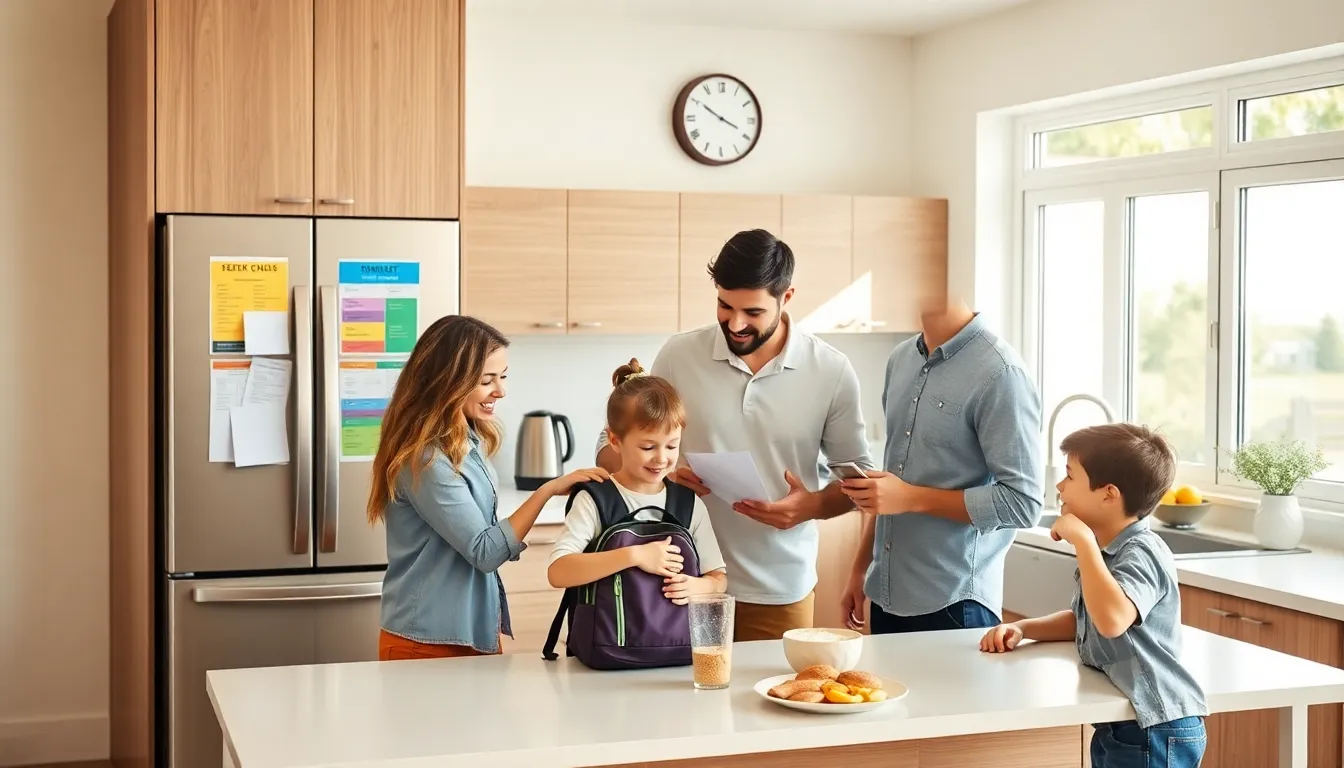
New routines fail when they’re too complicated. Start with three to five steps maximum for any routine. A morning routine might include: wake up, get dressed, eat breakfast, brush teeth, grab backpack. That’s it.
4. Write It Down
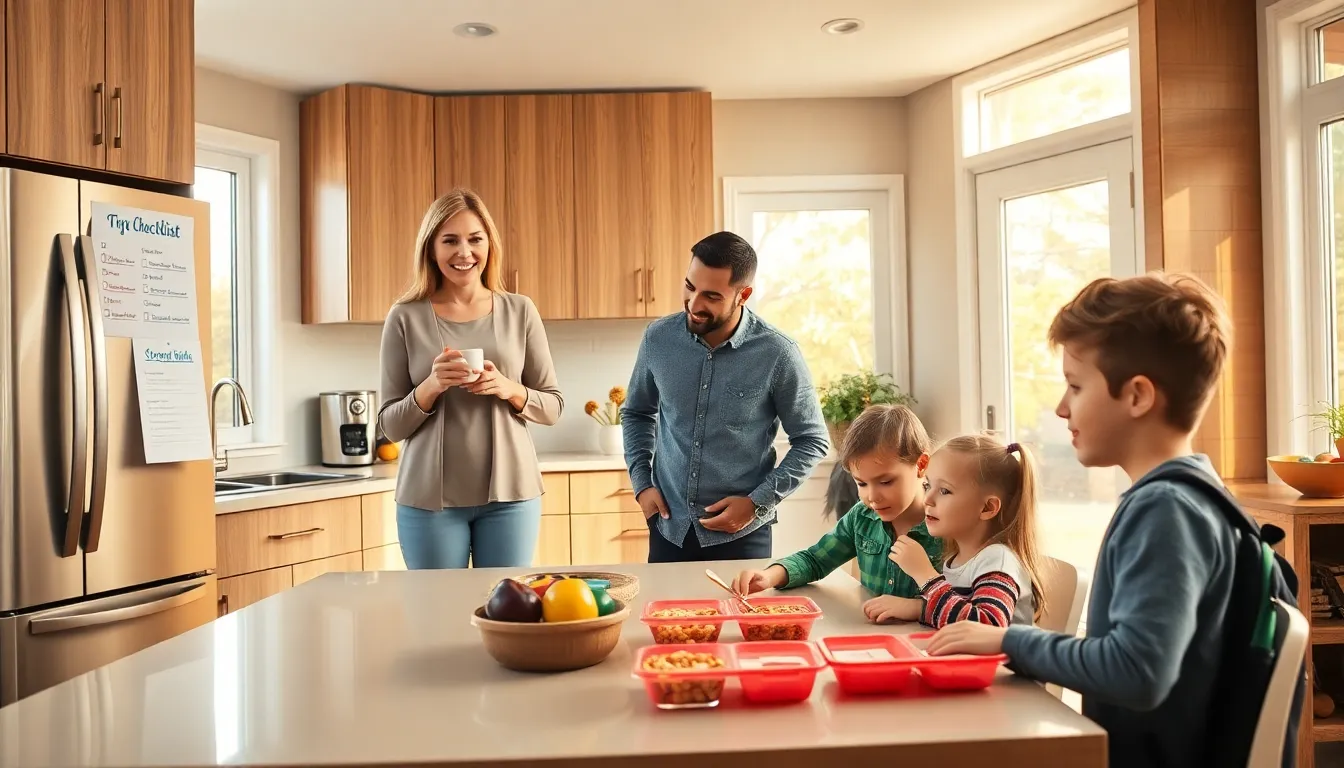
Visual schedules help everyone remember the plan. Create a chart, use pictures for younger children, or set phone reminders for older family members. Place the schedule somewhere visible.
5. Build in Flexibility
Rigid routines break easily. Build buffer time into schedules and accept that some days won’t go as planned. The goal is consistency over perfection.
6. Start Small and Expand
Don’t overhaul your entire day at once. Master one routine before adding another. Success builds motivation for tackling additional changes.
Morning and Evening Routine Ideas
Practical examples help families visualize what routines look like in action.
Sample Morning Routine
- Wake at consistent time (same on weekends, within 30 minutes)
- Get dressed before coming downstairs
- Eat breakfast together
- Brush teeth and wash face
- Check backpack and assignments
- Leave house at set time
This family routine takes about 45-60 minutes for most households. Laying out clothes the night before speeds things up considerably.
Sample Evening Routine
- Assignments or reading time (30-45 minutes)
- Free play or screen time (limited)
- Family dinner at consistent time
- Bath or shower
- Quiet activities before bed
- Story time or conversation
- Lights out at set time
Evening routines signal to children’s brains that sleep is coming. Dim lights and reduce screen exposure at least 30 minutes before bedtime for better rest.
Weekend Routines
Weekends need structure too, just less rigid. Consider a Saturday morning routine that includes chores followed by family activities. Sunday evenings work well for preparing for the week ahead, checking schedules, packing lunches, and setting out Monday’s clothes.
Tips for Sticking to Your Routines
Creating family routines is the easy part. Maintaining them takes effort. These strategies help routines become lasting habits.
Use Positive Reinforcement
Celebrate when family routines go well. Praise specific behaviors rather than general compliance. “You got dressed without a reminder today, nice job.” works better than “Good job being good.”
Be Patient with the Process
Habits take time to form. Research suggests 21 to 66 days for new behaviors to become automatic. Expect setbacks and keep going anyway.
Adjust When Necessary
Family routines should evolve as children grow and circumstances change. Review what’s working every few months and modify accordingly. A routine that worked for a five-year-old won’t suit a ten-year-old.
Model the Behavior
Parents must follow routines too. Children notice when adults skip steps or make exceptions for themselves. Consistency from everyone builds family-wide habits.
Handle Resistance Calmly
Kids will push back sometimes. Stay calm and redirect rather than arguing. Remind them of the routine’s purpose and any rewards tied to completion.
Use Natural Consequences
If a child doesn’t complete their morning routine in time, they experience the natural result, less playtime, a rushed departure, or missing a preferred activity. These lessons stick better than lectures.