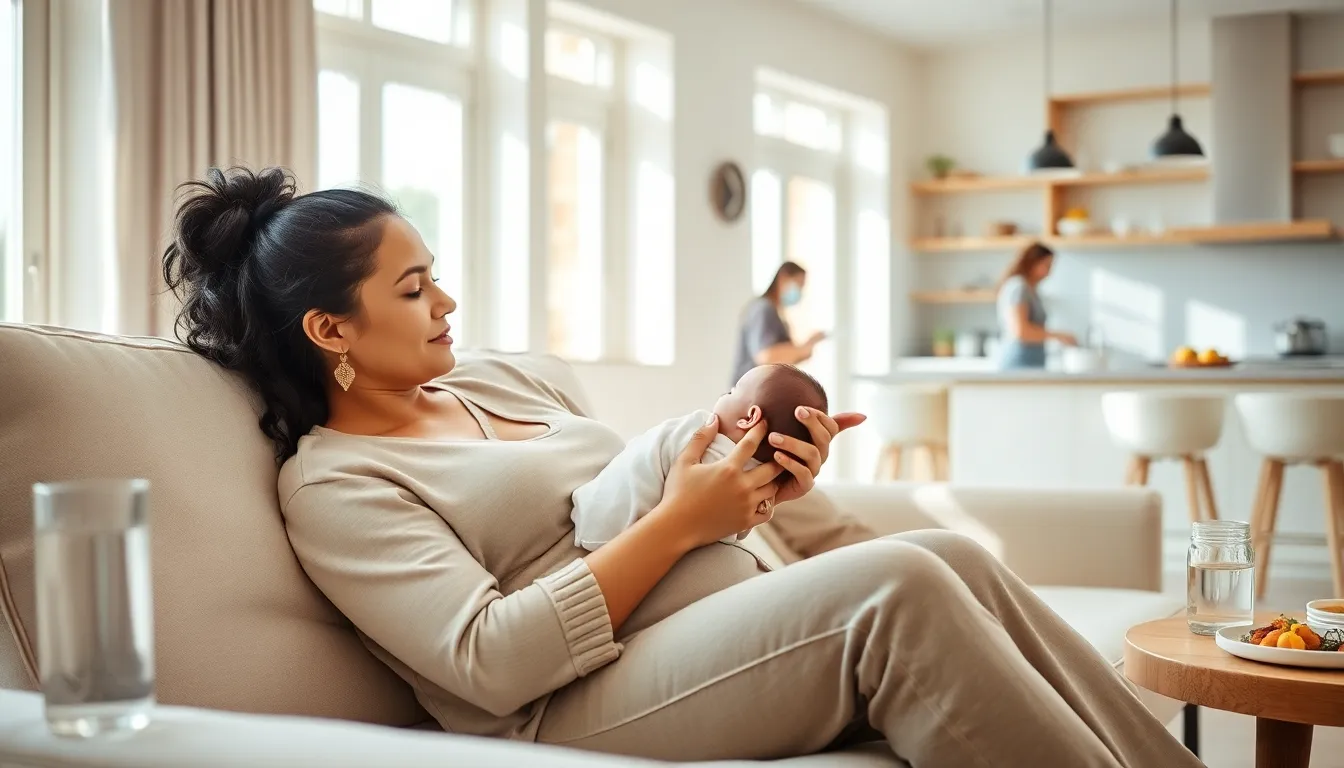
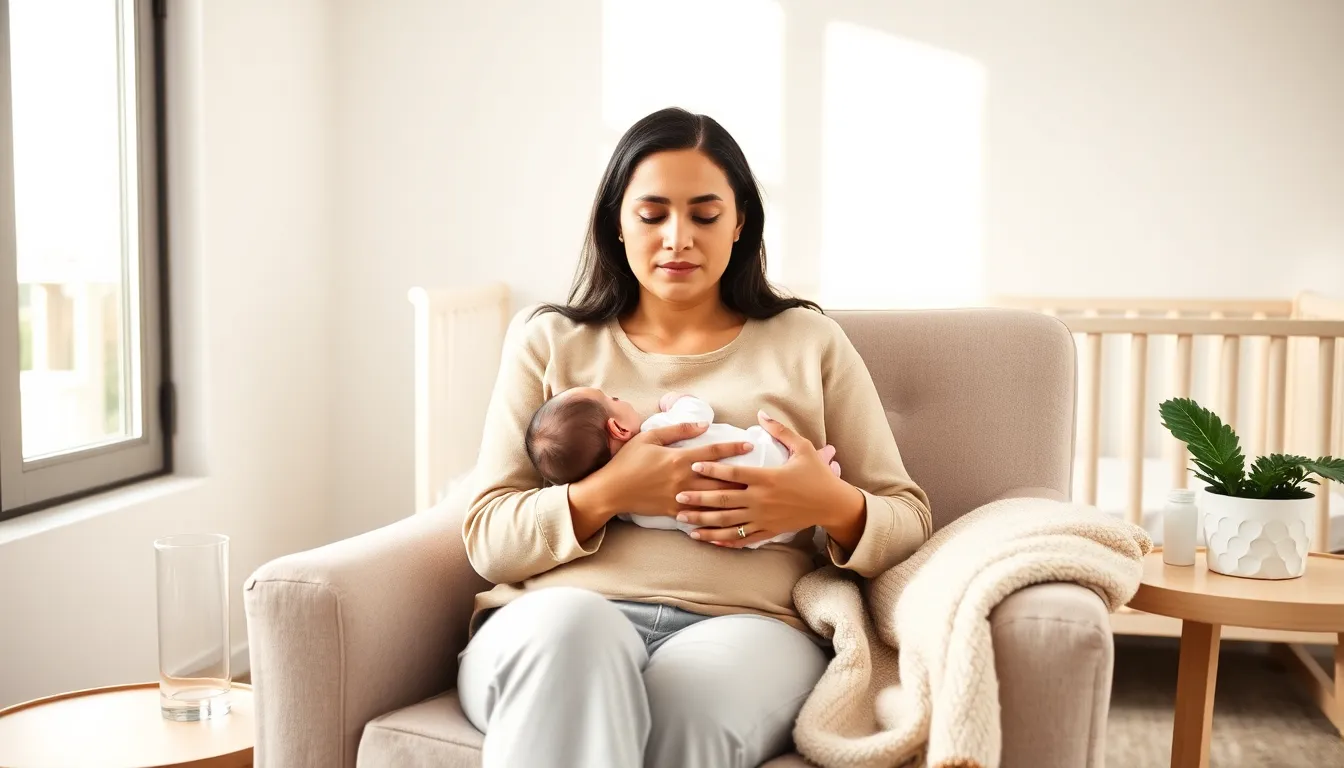
Postpartum recovery tips can make the difference between struggling through the weeks after birth and finding a sustainable path to healing. The body undergoes significant changes during pregnancy and delivery. Those changes don’t reverse overnight. New parents often feel pressure to “bounce back” quickly, but recovery takes time, typically six weeks minimum, though many people need longer.
This guide covers the physical, emotional, and practical aspects of postpartum healing. From understanding what’s happening inside the body to managing sleep deprivation and mental health, these strategies help new parents support their recovery while caring for a newborn.
Table of Contents
ToggleKey Takeaways
- Postpartum recovery takes at least six weeks, though full healing often extends up to a year—patience with your body is essential.
- Prioritize rest over household tasks; even 20-minute naps improve mood and cognitive function during early parenthood.
- Support physical healing with sitz baths, gentle walking, and pelvic floor exercises while avoiding high-impact activity until cleared by a provider.
- Nutrition fuels recovery—focus on protein, iron-rich foods, fiber, and staying well-hydrated, especially if breastfeeding.
- Up to 1 in 7 new parents experience postpartum depression or anxiety; seek professional help if symptoms persist beyond two weeks or intensify.
- Social connection reduces isolation and supports emotional wellness—lean on support networks, new parent groups, or professional resources.
Understanding Your Body’s Healing Timeline
The postpartum period officially spans the first six weeks after birth, but full recovery often extends to a year or more. During this time, the uterus shrinks from the size of a watermelon back to its pre-pregnancy size, about the size of a pear. This process, called involution, causes cramping that intensifies during breastfeeding.
Bleeding (lochia) lasts two to six weeks for most people. It starts heavy and bright red, then gradually lightens to pink and eventually white or yellow. Heavy bleeding that soaks a pad in an hour or less signals a potential problem and requires medical attention.
Postpartum recovery tips emphasize patience during this phase. Hormone levels shift dramatically as estrogen and progesterone drop. These hormonal changes affect mood, energy, and even hair retention. Many new parents notice increased hair shedding around three to four months postpartum, a normal but often alarming side effect.
Cesarean births require additional healing time. The incision site needs six to eight weeks to close fully, and internal healing continues for months. Lifting restrictions typically remain in place for at least six weeks after a C-section.
Physical Recovery Essentials
Physical healing forms the foundation of postpartum recovery. Several practical strategies support this process.
Perineal Care
Vaginal births often involve perineal tears or episiotomies. Sitz baths, sitting in warm, shallow water for 10-20 minutes, reduce swelling and promote healing. Witch hazel pads provide relief from hemorrhoids, which affect up to 50% of pregnant people. Peri bottles filled with warm water make bathroom trips less painful.
Managing Pain
Over-the-counter pain relievers like ibuprofen and acetaminophen help with cramping, perineal pain, and general discomfort. Ice packs wrapped in cloth soothe swelling during the first 24-48 hours. After that, heat therapy often provides more comfort.
Movement and Exercise
Gentle walking supports circulation and helps prevent blood clots. Postpartum recovery tips consistently recommend starting with short walks, even five minutes counts. Pelvic floor exercises (Kegels) can begin within days of an uncomplicated vaginal birth. But, high-impact exercise and heavy lifting should wait until a healthcare provider clears them, usually at the six-week checkup.
Abdominal separation (diastasis recti) affects many postpartum bodies. Specific core rehabilitation exercises help close this gap. Working with a pelvic floor physical therapist provides personalized guidance for this common condition.
Prioritizing Rest and Sleep
Sleep deprivation ranks among the biggest challenges of early parenthood. Newborns wake every two to three hours to feed, leaving parents chronically exhausted. This exhaustion slows physical healing and increases the risk of postpartum mood disorders.
The classic advice, “sleep when the baby sleeps”, sounds simple but proves difficult in practice. Household tasks pile up, and the urge to use quiet moments productively feels strong. Yet rest must take priority during postpartum recovery.
Postpartum recovery tips for better sleep include:
- Taking turns with a partner for nighttime feeds when possible
- Accepting help from family or friends who offer to watch the baby
- Creating a dark, cool sleep environment
- Limiting screen time before attempting to rest
- Letting go of perfectionism about housework
Naps, even 20-minute ones, provide genuine benefit. Research shows that short daytime sleep improves cognitive function and mood. New parents shouldn’t dismiss the value of brief rest periods.
For those without partner support, postpartum doulas or community programs may offer assistance. Some areas have volunteer organizations that provide respite care for new parents.
Nourishing Your Body for Recovery
Nutrition plays a critical role in postpartum healing. The body needs extra calories and nutrients to recover from birth and, for those breastfeeding, to produce milk.
Protein supports tissue repair. Good sources include eggs, lean meats, fish, beans, and dairy products. Iron-rich foods help replenish blood lost during delivery, red meat, spinach, lentils, and fortified cereals all contribute. Many healthcare providers recommend continuing prenatal vitamins during the postpartum period.
Hydration matters too. Breastfeeding parents need additional fluids, about 128 ounces (one gallon) daily. Keeping a water bottle nearby during feeding sessions helps maintain intake.
Postpartum recovery tips around food also address practical concerns. Meal prepping before birth, accepting food deliveries from friends, and stocking easy-to-grab snacks all reduce stress during early parenthood. Nutritious options that require no preparation, string cheese, cut vegetables, nuts, hard-boiled eggs, make eating well more achievable.
Fiber and hydration help prevent constipation, a common postpartum issue worsened by iron supplements and pain medications. Prunes, whole grains, and plenty of water keep digestion moving.
Emotional Wellness and Mental Health
Postpartum mental health deserves as much attention as physical recovery. Up to 80% of new parents experience “baby blues”, mood swings, crying spells, and anxiety that peak around day five and resolve within two weeks.
Postpartum depression and anxiety affect approximately 1 in 7 new mothers and a significant number of fathers and non-birthing parents. Symptoms that persist beyond two weeks, intensify over time, or include thoughts of self-harm require professional evaluation.
Warning signs include:
- Persistent sadness or hopelessness
- Difficulty bonding with the baby
- Severe anxiety or panic attacks
- Intrusive thoughts about harm coming to the baby
- Thoughts of self-harm or suicide
Postpartum recovery tips for emotional wellness start with social connection. Isolation worsens mood symptoms. Video calls, text conversations, and visits from supportive people all help. New parent groups, online or in person, provide community with others facing similar challenges.
Setting realistic expectations matters too. Social media often portrays an unrealistic version of new parenthood. Real life involves messy houses, unwashed hair, and difficult days. Accepting this reality reduces shame and disappointment.
Professional support through therapy, support groups, or medication helps many people recover from postpartum mood disorders. Treatment works, and seeking help shows strength rather than weakness.