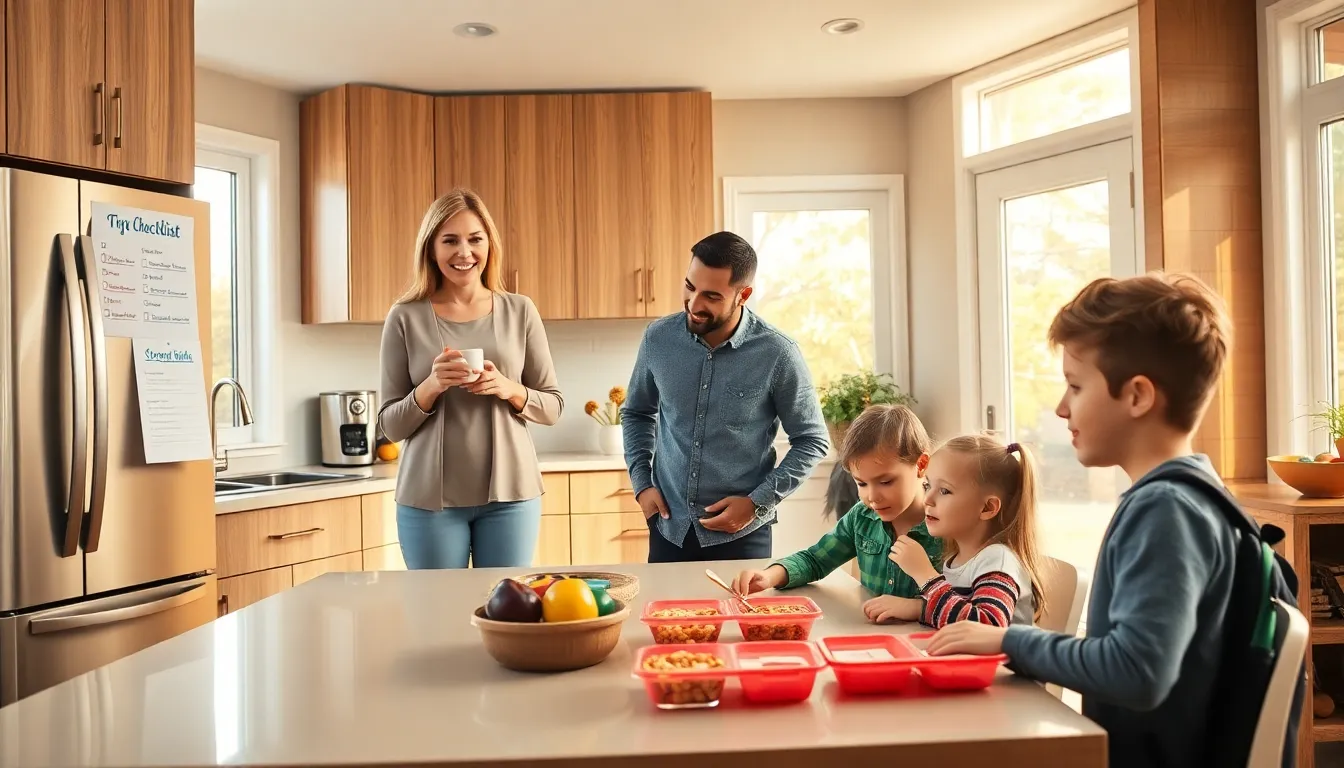

Top family routines do more than keep households organized, they create stability, reduce stress, and bring family members closer together. Research from the American Academy of Pediatrics shows that children who follow consistent family routines display better emotional regulation and stronger academic performance. For parents, routines cut down on daily decision fatigue and free up mental energy for what matters most.
But here’s the thing: not every routine works for every family. The best family routines fit a household’s unique schedule, values, and goals. This guide covers practical routines for mornings, evenings, bedtimes, and weekly rituals. It also shares tips to help families build habits that actually last.
Table of Contents
ToggleKey Takeaways
- Top family routines provide stability, reduce stress, and strengthen emotional bonds between family members.
- Morning routines work best when families prep the night before and share breakfast together without screens.
- Bedtime routines should start 30 minutes early with dimmed lights and follow the same steps nightly for better sleep.
- Weekly rituals like game nights, meal prep, and outdoor adventures create lasting memories and keep families connected.
- Start small with one or two routines, involve everyone in planning, and stay consistent without being rigid to build habits that last.
Morning Routines That Set a Positive Tone
A strong morning routine sets the mood for the entire day. Families that start mornings with structure report less chaos and fewer last-minute scrambles.
Wake Up at the Same Time
Consistent wake-up times regulate circadian rhythms for both kids and adults. Bodies adjust to predictable schedules, making it easier to feel alert and ready. Even on weekends, keeping wake times within 30 minutes of the weekday schedule helps maintain this rhythm.
Prep the Night Before
Top family routines often start the evening before. Laying out clothes, packing lunches, and setting backpacks by the door removes friction from busy mornings. Parents can involve children in this prep work to build responsibility.
Share Breakfast Together
Eating breakfast as a family, even for 15 minutes, creates connection before everyone scatters. Use this time for quick conversations about the day ahead. Skip screens at the table to encourage eye contact and real interaction.
Use Visual Checklists
For younger children, picture-based checklists help them follow morning steps independently. Kids feel pride in checking off tasks like brushing teeth, getting dressed, and grabbing their bag. This builds autonomy and reduces parent reminders.
After-School and Evening Routines
The hours between school pickup and dinner can feel hectic. A clear after-school routine helps children decompress while keeping the household running smoothly.
Build in Transition Time
Kids need time to shift from school mode to home mode. Allow 15 to 30 minutes for a snack and unstructured play before jumping into assignments or chores. This buffer prevents meltdowns and resistance.
Set a Assignments Window
Designate a specific time for assignments each day. Some children focus better right after their snack break: others need more downtime first. Observe what works best and stick with it. Consistency helps kids know what to expect.
Assign Age-Appropriate Chores
Top family routines include shared responsibilities. Even young children can set the table, feed pets, or sort laundry. Chores teach life skills and give kids a sense of contribution to the household.
Limit Screen Time Before Dinner
Screens can derail evening routines and fragment family interaction. Setting a “screens off” rule for the hour before dinner encourages conversation and helps everyone stay present.
Bedtime Routines for Better Sleep and Connection
Bedtime routines matter for sleep quality and emotional bonding. A predictable sequence signals to the brain that sleep is coming.
Start Wind-Down 30 Minutes Early
Dim lights, lower voices, and turn off screens at least 30 minutes before bed. This gives the brain time to produce melatonin and shift into rest mode. Rushing bedtime often backfires with restless kids.
Follow the Same Steps Nightly
A consistent order, bath, pajamas, brush teeth, story, lights out, creates a ritual children can count on. Predictability reduces bedtime battles and gives kids a sense of security.
Read Together
Reading aloud remains one of the most valuable top family routines. It builds literacy, sparks imagination, and offers quiet one-on-one time. Let children choose books to increase engagement.
End with a Connection Moment
A brief chat about the day’s highs and lows (sometimes called “roses and thorns”) helps children process emotions. This simple practice strengthens parent-child bonds and opens doors for deeper conversations over time.
Weekly Family Rituals Worth Starting
Daily routines provide structure, but weekly rituals create memories. These recurring traditions give families something to anticipate together.
Family Game Night
Picking one evening each week for board games or card games builds connection without screens. Rotate who chooses the game to keep it fair and fun. Game nights teach cooperation, turn-taking, and good sportsmanship.
Sunday Meal Prep
Cooking together on Sundays accomplishes two goals: it stocks the week with healthy meals and brings the family into the kitchen as a team. Assign age-appropriate tasks, younger kids can wash vegetables while older ones chop or measure ingredients.
Weekly Check-Ins
A brief family meeting, just 10 to 15 minutes, lets everyone share upcoming events, voice concerns, or celebrate wins. This practice keeps communication open and helps parents stay informed about their children’s lives.
Outdoor Adventures
Scheduling a weekly outdoor activity, whether a hike, bike ride, or trip to the park, builds physical health and shared experiences. Nature exposure reduces stress for adults and children alike.
Tips for Making Routines Stick
Starting routines is easy. Keeping them going takes intention. These strategies help families build habits that last.
Start Small
Families often fail by trying to overhaul everything at once. Pick one or two routines to carry out first. Once those feel natural, add more. Small wins build momentum.
Be Consistent, Not Rigid
Top family routines allow for flexibility. Life happens, sick days, travel, unexpected events. The goal is to return to the routine afterward, not to follow it perfectly every single day.
Involve Everyone
Routines work better when the whole family has input. Ask children what they’d like to include. When kids feel ownership, they’re more likely to cooperate.
Use Visual Reminders
Charts, calendars, and posted schedules keep routines visible. Place them where everyone can see, refrigerators, hallways, or kids’ bedroom doors.
Celebrate Progress
Acknowledge when routines go well. Praise specific behaviors: “You got dressed on your own this morning, that’s great.” Positive reinforcement encourages repetition.