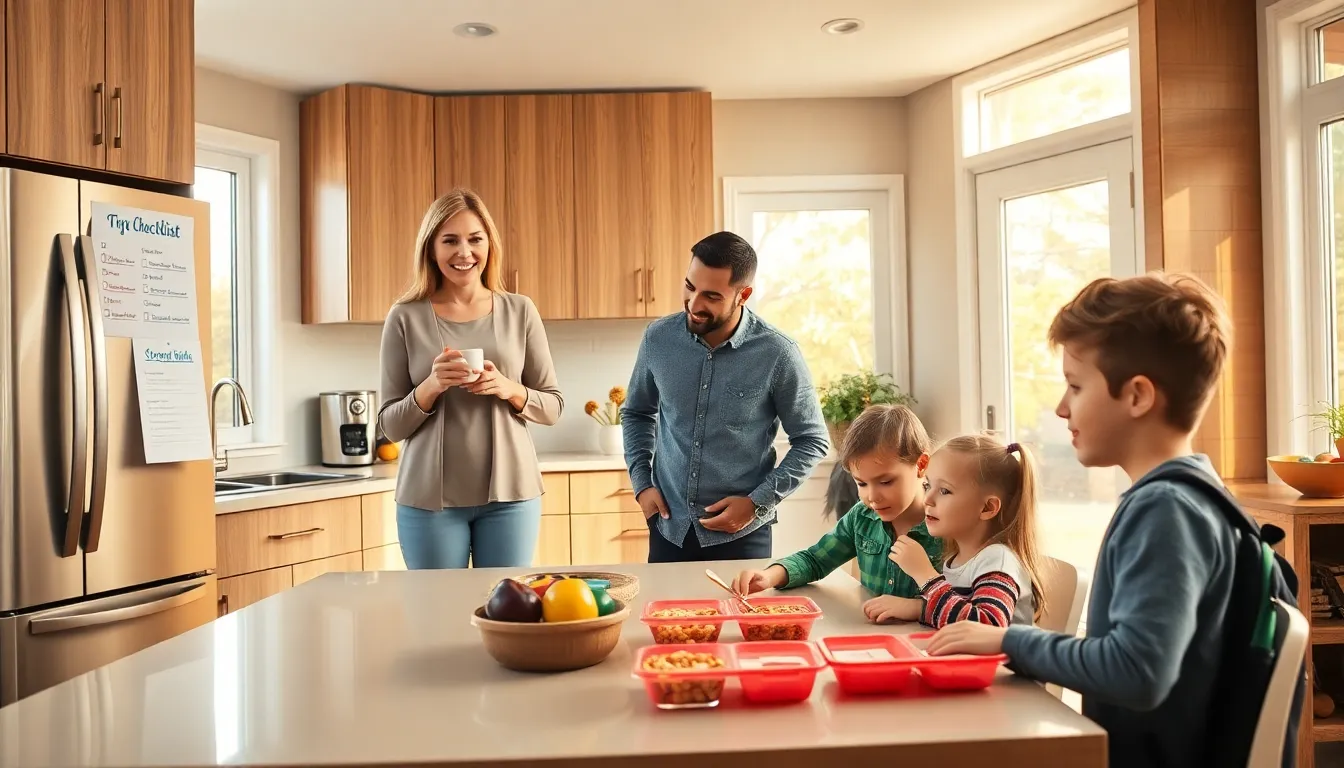

Family routines are the repeated activities and rituals that households follow on a regular basis. They provide structure, reduce daily stress, and help children feel secure. Whether it’s a morning schedule, a bedtime ritual, or weekly family dinners, these patterns shape how families function together.
Understanding what family routines are, and why they matter, can transform chaotic days into calmer, more connected ones. This guide explains the definition of family routines, explores their benefits, and offers practical steps for creating them in any household.
Table of Contents
ToggleKey Takeaways
- Family routines are predictable, repeated activities that provide structure and reduce daily stress for all household members.
- Children with consistent family routines show better emotional regulation, fewer behavioral problems, and improved academic performance.
- Common family routines include morning schedules, after-school transitions, mealtime rituals, and bedtime sequences.
- Creating effective family routines starts by identifying chaotic moments and involving everyone in designing simple, step-by-step solutions.
- Family routines require consistency to become automatic but should remain flexible enough to adapt to life changes and evolving family needs.
Defining Family Routines
Family routines are predictable, repeated activities that families perform together or individually at consistent times. They differ from schedules, which focus on specific times. Routines focus on sequences, what happens and in what order.
For example, a morning routine might include waking up, brushing teeth, eating breakfast, and getting dressed. The exact time each step occurs can vary. What matters is that the sequence stays consistent.
Family routines fall into two main categories:
- Daily routines: These happen every day, such as mealtimes, assignments time, and bedtime rituals.
- Weekly or occasional routines: These include activities like Sunday brunches, game nights, or Saturday chores.
Researchers define family routines as observable, repeated behaviors that provide structure to family life. They’re distinct from family rituals, which carry symbolic meaning (like holiday traditions). But, routines can become rituals when families attach emotional significance to them.
The key characteristics of family routines include:
- Predictability: Family members know what to expect.
- Repetition: The activities occur regularly.
- Shared involvement: Multiple family members participate.
- Clear sequence: Steps follow a logical order.
Family routines aren’t about rigid perfection. They’re flexible frameworks that adapt to a family’s unique needs and circumstances.
Why Family Routines Matter
Family routines deliver measurable benefits for both children and adults. Research consistently shows that households with established routines experience better outcomes across multiple areas.
Benefits for Children
Children thrive with predictability. When they know what comes next, anxiety decreases. Studies published in the Journal of Family Psychology found that children in families with consistent routines showed better emotional regulation and fewer behavioral problems.
Family routines also support academic success. Kids who follow regular assignments and bedtime routines tend to perform better in school. They arrive rested, focused, and ready to learn.
Also, routines teach important life skills. Children learn time management, responsibility, and self-discipline through repeated practice. A child who clears their plate after dinner every night develops habits that carry into adulthood.
Benefits for Parents
Parents benefit from family routines too. Consistent patterns reduce decision fatigue, there’s no daily debate about when bedtime happens or who does which chore. This saves mental energy for more important decisions.
Family routines also decrease conflict. When expectations are clear, arguments diminish. Everyone knows their role and what happens next.
Benefits for Family Connection
Perhaps most importantly, family routines create opportunities for connection. A nightly dinner ritual gives families time to talk. A Saturday morning pancake tradition builds shared memories.
These repeated moments of togetherness strengthen relationships. They give family members something to count on, even during stressful times. When life feels unpredictable, family routines provide stability.
Common Types of Family Routines
Family routines vary widely based on household needs, schedules, and values. But, certain types appear in most families.
Morning Routines
Morning routines set the tone for the day. They typically include:
- Waking at a consistent time
- Personal hygiene (brushing teeth, showering)
- Getting dressed
- Eating breakfast
- Preparing for school or work
Effective morning routines reduce chaos and help everyone leave the house on time.
After-School Routines
These routines help children transition from school to home. Common elements include:
- Having a snack
- Completing assignments
- Participating in extracurricular activities
- Free play or screen time
Mealtime Routines
Mealtime routines go beyond just eating. They often involve:
- Setting the table together
- Eating as a family without screens
- Sharing highlights from the day
- Cleaning up afterward
Families who eat together regularly report stronger relationships and better communication.
Bedtime Routines
Bedtime routines help children wind down and prepare for sleep. They might include:
- Taking a bath
- Putting on pajamas
- Brushing teeth
- Reading stories
- Saying goodnight
Consistent bedtime routines improve sleep quality for children and adults alike.
Weekend Routines
Weekend routines often focus on family time and household tasks:
- Chore assignments
- Family outings or activities
- Special meals or traditions
- Rest and relaxation time
These routines balance productivity with connection and fun.
How to Create Effective Family Routines
Building family routines takes intention and patience. Here’s a practical approach that works.
Step 1: Identify Problem Areas
Start by pinpointing times of day that feel chaotic or stressful. Morning rush? Assignments battles? Bedtime struggles? Focus on one area first.
Step 2: Define the Steps
List what needs to happen during that time. Keep it simple. A morning routine might have just five or six steps. Write them down in order.
Step 3: Involve the Family
Family routines work best when everyone participates in creating them. Hold a family meeting. Ask for input. Children who help design routines are more likely to follow them.
Step 4: Start Small
Don’t overhaul everything at once. Introduce one new family routine and practice it for two to three weeks before adding another. This prevents overwhelm and increases success.
Step 5: Use Visual Aids
For younger children, create visual routine charts with pictures. Older kids might use checklists. These tools reinforce expectations without constant reminders from parents.
Step 6: Be Consistent
Family routines require consistency to become automatic. Follow the same sequence daily, even on weekends when possible. It takes about 30 to 60 days for routines to feel natural.
Step 7: Stay Flexible
Life happens. Sick days, vacations, and unexpected events will disrupt routines. That’s okay. Return to the routine as soon as possible without guilt or frustration.
Step 8: Adjust as Needed
Family routines should evolve. What works for a toddler won’t work for a teenager. Revisit and revise routines every few months or when they stop functioning well.